Hot Take on the Future of industry jobs from MIT Professor Yossi Sheffi.
Integration of AI and robotics in supply chain and logistics is reshaping the industry’s landscape and raising significant questions about the future of work. In MIT Professor Yossi Sheffi’s recent book, “The Magic Conveyor Belt: AI, Supply Chains, and the Future of Work,” we find a well-informed response. It provides a compelling narrative on how technology and workforce dynamics are shaping the future of supply chains.
In an interview with MIT News, Sheffi highlights the remarkable nature of global supply chains and their support for our modern lifestyle. Rather than just observing occasional product shortages, such as those seen during the pandemic, he emphasises the incredible logistical orchestration that ensures consistent product availability. He emphasises that the true marvel of the supply chain lies not only in providing what we need but also in managing disruptions while meeting sustainability expectations from consumers.
Lessons from the Past
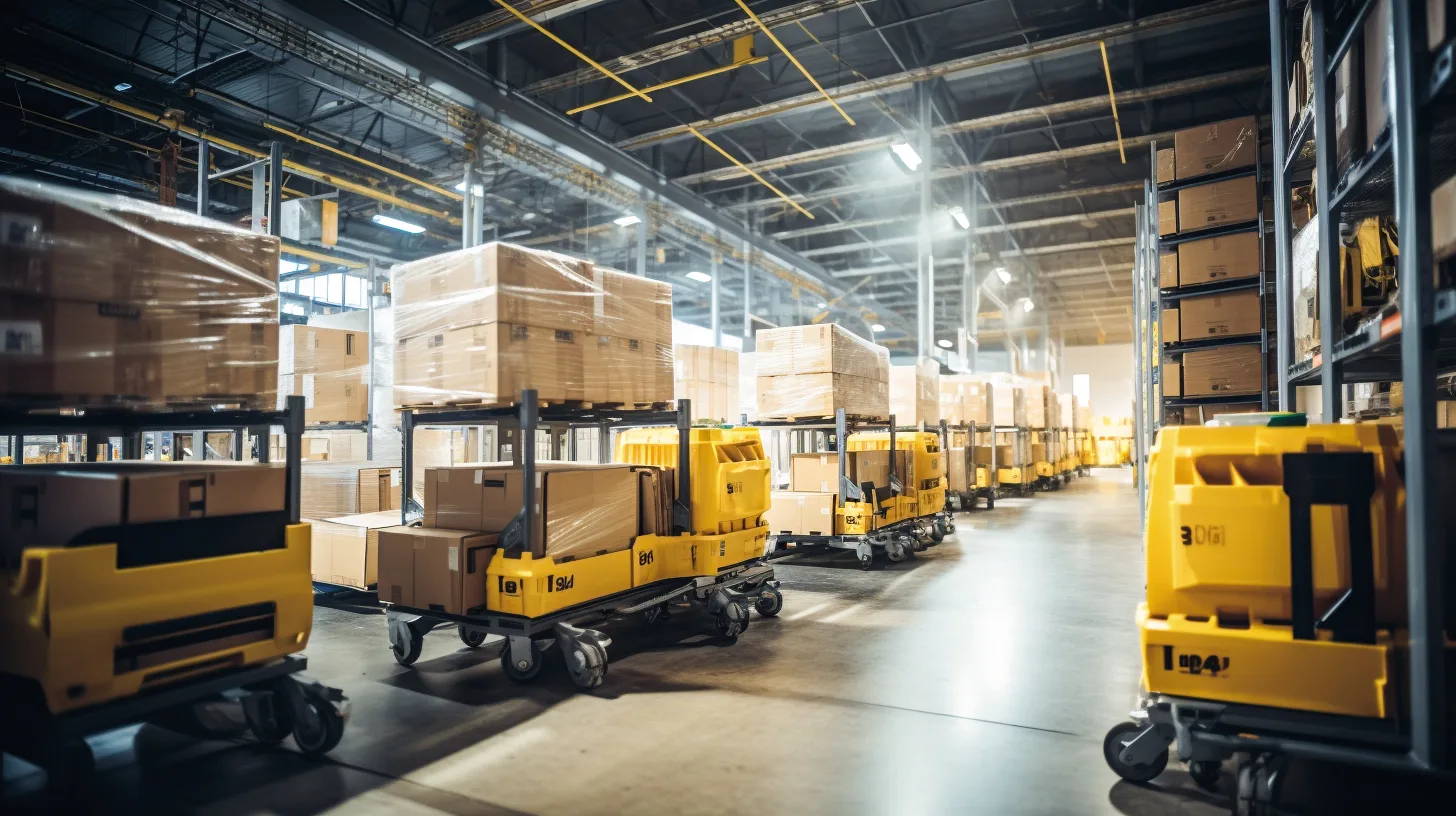
AI is already reshaping warehouses worldwide, with robots undertaking various tasks. The human workforce in warehouses is also evolving, shifting from the traditional image of male-dominated labour-intensive jobs to increasingly more technical roles and a
diverse workforce.
Despite the increased use of AI and robotics, Sheffi dispels the common fear of widespread job loss. Instead, he anticipates a transformation in job roles and responsibilities, possibly leading to an increase in jobs. He supports his predictions with historical examples where disruptive technologies created more jobs than they replaced.
Ford introduced the Model T, the first ever mass-produced and affordable car on a moving assembly line. Cars were largely handmade prior to that. Contrary to what people expected, Ford’s workforce grew to 157,000 from a few hundred. On top of that, more cars on the road meant motels, restaurants, and hotels which sprang up everywhere, creating millions of jobs.
ATMs were introduced in the US, initially feared to eliminate bank teller jobs. However, the number of bank branches doubled as ATMs made it cheaper to operate branches.
What’s different with AI this time, according to Professor Sheffi, is the speed of change due to rapid software deployment. He emphasises the need for swift retraining and upskilling within the population.
Navigating Change: Automation-Led Employment Shifts
At its peak right now, AI automation cannot completely replace humans in the supply chain but is sufficient to necessitate restructuring. For instance, autonomous trucks cannot navigate urban routes due to programming limitations, but excel on highways. This situation has given rise to the “exit-to-exit” system, involving transfer stations near highways and city outskirts. This shift is expected to create jobs in the first and last mile of the supply chain, as well as various roles within these transfer stations, spanning retail, maintenance, and audit/check services.
This transition might seem unconventional, but it is anticipated to generate numerous employment opportunities. This optimistic outlook aligns with the nature of evolving industries. As technology advances, it often creates unforeseen roles and avenues for employment, a positive outlook on the future of work.
The Future of the Industry
Sheffi considers supply chains as ultimately ‘human networks,’ a fusion of technology, processes, and human connections. These networks rely on industry professionals who manufacture, store, move, and collaborate, now empowered by robust technologies.
Technology doesn’t aim to replace, but to enhance human capabilities. It’s a reliable ally, augmenting human skills and collaboration. This partnership between technology and human expertise paves a promising path for supply chains—a future where adaptation, innovation, and the human touch drive success.
loading….
loading….
loading….
loading….
loading….
loading….
loading….